
Topworld Furniture Blog
Discover expert advice, wood manufacturing insights, and design trends.
Top Tips for Choosing a Malaysia Wooden Furniture Manufacturer?
Table of Contents
- Understanding the Different Types of Wooden Furniture Manufacturers in Malaysia
- Assessing Quality Standards: What to Look for in Wood and Craftsmanship
- Evaluating Manufacturer Experience and Reputation in the Furniture Industry
- Exploring Customization Options and Design Flexibility with Manufacturers
- Key Questions to Ask Before Partnering with a Malaysia Wooden Furniture Manufacturer
- FAQS
- Conclusion
- Related Posts
Selecting a reliable Malaysia Wooden Furniture Manufacturer is crucial for anyone in the market for quality furniture. The range of options can be overwhelming. Every manufacturer claims to offer the best, but how do you choose the right one?
Understanding the craftsmanship and materials used is essential. Quality wood and skilled artisans can make a big difference in durability and aesthetics. It’s worth visiting workshops if possible. Seeing the processes firsthand builds trust. Ask questions about the sourcing of wood and production techniques. Authentic manufacturers take pride in their work.
While price is a significant factor, it’s not everything. A cheaper option may save money initially but could lead to costly repairs later. Look for reviews and testimonials from previous buyers. They can provide insights into reliability and customer service. Remember, a thoughtful choice now leads to furniture that lasts for years. Avoid making hasty decisions; invest time in research to ensure satisfaction with your purchase.
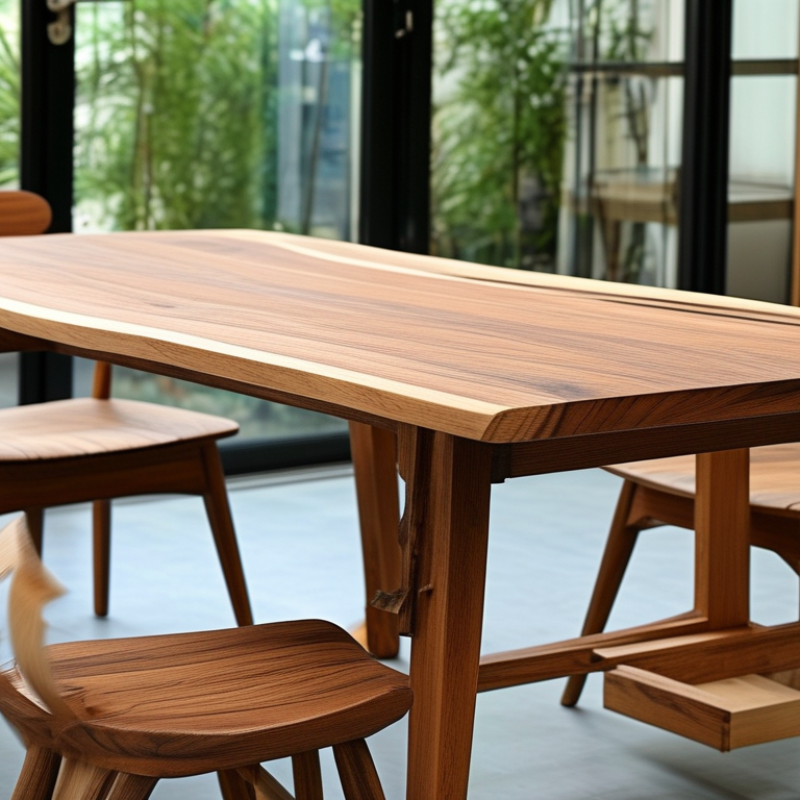
Understanding the Different Types of Wooden Furniture Manufacturers in Malaysia
Choosing a wooden furniture manufacturer in Malaysia requires understanding the various types available. Many manufacturers specialize in different wood types and craftsmanship techniques. For instance, some focus on solid wood furniture, known for durability and longevity. Others may use engineered wood, which can offer cost-effective solutions without sacrificing style. Understanding these nuances can significantly impact your purchasing decision.
Wooden furniture production in Malaysia has seen growth, with a report indicating that the industry is expected to reach a compounded annual growth rate of 4.2% by 2025. This growth suggests an expanding market, making it essential for buyers to research manufacturers carefully. Look for companies with certifications in sustainable practices. Such credentials indicate a commitment to responsible sourcing and environmental stewardship.
When evaluating potential manufacturers, consider their experience and expertise. A manufacturer with years in the industry may offer better craftsmanship. Also, inquire about their production processes. Understanding their approach can shed light on quality standards. Manufacturers that provide transparency in sourcing materials tend to have a more reliable reputation. Ultimately, aligning your values with a manufacturer can enhance your satisfaction with the final product.
Comparison of Different Types of Wooden Furniture Manufacturers in Malaysia
Assessing Quality Standards: What to Look for in Wood and Craftsmanship
When selecting a wooden furniture manufacturer in Malaysia, assessing quality standards is crucial. Start by examining the type of wood used. Hardwoods like teak and mahogany are more durable than softer varieties. Look for manufacturers who source their wood sustainably, ensuring long-lasting furniture that benefits the environment. Check for certifications that indicate responsible harvesting practices. These details matter.
Craftsmanship reveals much about a manufacturer’s dedication to quality. Inspect the joints and seams; well-finished edges indicate care. Look for intricate carvings or inlays, as this showcases skill. Pay attention to surface treatments. High-quality finishes not only enhance appearance but also protect the wood from damage over time. It's essential to ask manufacturers about their production processes and quality control measures.
Visiting the workshop can provide valuable insights. Observe the working conditions and equipment used. Is there a focus on detail? Are the craftsmen skilled? These factors contribute to the final product's quality. Remember that not all manufacturers prioritize quality equally. Take your time to explore, question, and reflect on your choices. Success lies in finding a balance between craftsmanship and your unique aesthetic.
Evaluating Manufacturer Experience and Reputation in the Furniture Industry
When selecting a wooden furniture manufacturer in Malaysia, experience and reputation are crucial. The furniture industry is vast, with Malaysia being one of the top exporters in Asia. According to recent reports, Malaysia accounts for about 10% of the global wooden furniture market. Therefore, it’s vital to choose a manufacturer with a strong track record.
Look for manufacturers with several years of experience. Longevity often indicates reliability. Brands that have survived in this competitive market typically possess a deep understanding of design and craftsmanship. Manufacturers who have received industry awards or certifications show a commitment to quality. They are often more trusted by customers and partners alike.
Consider visiting trade shows or exhibitions. Many reputable manufacturers showcase their work there. This can provide insights into their capabilities and customer service. Seek out customer testimonials and reviews online. They reveal the manufacturer’s strengths and weaknesses. A few negative reviews can be red flags, suggesting potential issues.
Checking a manufacturer’s sourcing practices is also important. Sustainable sourcing ensures quality and aligns with eco-conscious consumer trends. Manufacturers that prioritize sustainability often have a good reputation. This reflects not just ethical practices but also commitment to high-quality materials.
Exploring Customization Options and Design Flexibility with Manufacturers
When choosing a Malaysia wooden furniture manufacturer, customization options play a critical role. Many manufacturers offer bespoke designs, allowing for personal touches. You might want unique finishes or specific dimensions. This level of flexibility can help your furniture reflect your personal style.
It’s essential to discuss your ideas in detail. Not all manufacturers may understand your vision clearly. Some may propose ideas that do not align with your expectations. Communication is key; it fosters a collaborative environment. Ask about the materials they recommend. Certain woods may not yield the desired durability or aesthetic.
Consider visiting workshops to assess craftsmanship. Observing artisans at work can reveal their strengths and weaknesses. Look for their attention to detail and the quality of the finished pieces. Engaging directly with manufacturers also allows you to negotiate. You might find that adjustments in design come with cost implications. Being open to feedback can enhance the final product.
Key Questions to Ask Before Partnering with a Malaysia Wooden Furniture Manufacturer
Choosing the right Malaysia wooden furniture manufacturer is crucial for your business success. Start by asking about their production capacity. Understanding how many pieces they can create in a month gives insight into their efficiency. A manufacturer with limited output might struggle during peak demand.
Inquire about the materials they use. High-quality wood ensures durability and longevity. Ask about their sources for raw materials. Sustainable practices are important. A manufacturer committed to eco-friendly sourcing adds to their credibility. Don’t forget to check their certifications. This reveals their commitment to quality and safety standards.
Examine their past projects. Request references or case studies to gauge their experience. A seasoned manufacturer should have a portfolio showcasing various designs. It’s essential to know their ability to accommodate custom requests. Also, communicate your timeline. Delays can lead to lost opportunities. Be wary of manufacturers who promise unrealistic turnaround times. They may sacrifice quality for speed.
FAQS
: Hardwoods like teak and mahogany are more durable than softer woods. They last longer and can withstand wear.
Inspect joints, seams, and finishes. Intricate carvings indicate skill. Surface treatments should protect the wood.
It allows you to observe working conditions and craftsmanship. You can evaluate attention to detail firsthand.
Discuss your specific design ideas. Ensure the manufacturer understands your vision for the best results.
Inquire about the types of wood used. Look for sustainable practices and certifications that ensure responsible sourcing.
Ask for case studies or a portfolio showcasing past projects to gauge their experience and design capability.
Clear dialogue fosters collaboration. Misunderstandings may lead to unsatisfactory results or mismatched expectations.
Communicate your deadlines and be cautious of promises that seem too good to be true. Delays can cost you.
Be open to feedback during discussions. Adjustments may affect costs but can enhance the final product's quality.
Effective quality control ensures consistent standards. Lack of it may lead to inferior products or unexpected issues.
Conclusion
When choosing a Malaysia Wooden Furniture Manufacturer, it’s essential to understand the different types of manufacturers available, including those specializing in traditional craftsmanship and modern design. Assessing the quality standards of wood and craftsmanship is critical; look for manufacturers that prioritize durable materials and meticulous workmanship.
Additionally, evaluating the experience and reputation of the manufacturer in the furniture industry can provide insights into their reliability. Exploring customization options can enhance design flexibility, allowing you to create unique pieces that fit your needs. Lastly, it's vital to ask specific questions before partnering, ensuring clear communication and shared expectations with your Malaysia Wooden Furniture Manufacturer.

Blog Tags: