
Topworld Furniture Blog
Discover expert advice, wood manufacturing insights, and design trends.
Best White Wooden Dining Furniture for 2026?
Table of Contents
- What Defines White Wooden Dining Furniture in 2026?
- Which Table and Seating Styles Suit Different Dining Spaces?
- How Do Wood Types and White Finishes Affect Durability?
- What Features Matter When Choosing a Dining Set?
- How Should White Wooden Dining Furniture Be Cleaned and Maintained?
- FAQS
- Conclusion
- Related Posts
White Wooden Dining Furniture can brighten a dining room, but a pale finish does not make every piece practical. For 2026, the best choices will balance clean looks with sturdy construction, comfortable seating, and finishes suited to daily meals. Charles Eames, the influential furniture designer, once said, “The details are not the details. They make the design.” That idea fits a dining set especially well. Look closely at chair joints, table edges, leg stability, and the way the finish feels under your hand.
Think about the room in real terms. Measure the table with chairs pulled out, and leave clear paths around it. A compact oak table with a matte white finish may suit a small kitchen; a larger solid-wood set could anchor a busy family dining room. Check whether the maker identifies the wood, explains the finish, and provides care guidance. These details help separate useful product information from attractive photography.
White needs upkeep. Crumbs, scuffs, and spills can show quickly, especially on glossy surfaces. Still, the right finish can make cleaning simpler. Ask how it handles everyday use, and do not assume “solid wood” describes every part of the piece. A little skepticism helps. This guide will compare styles, materials, comfort, maintenance, and value, so you can choose White Wooden Dining Furniture that suits your home—not just this year’s look.
What Defines White Wooden Dining Furniture in 2026?
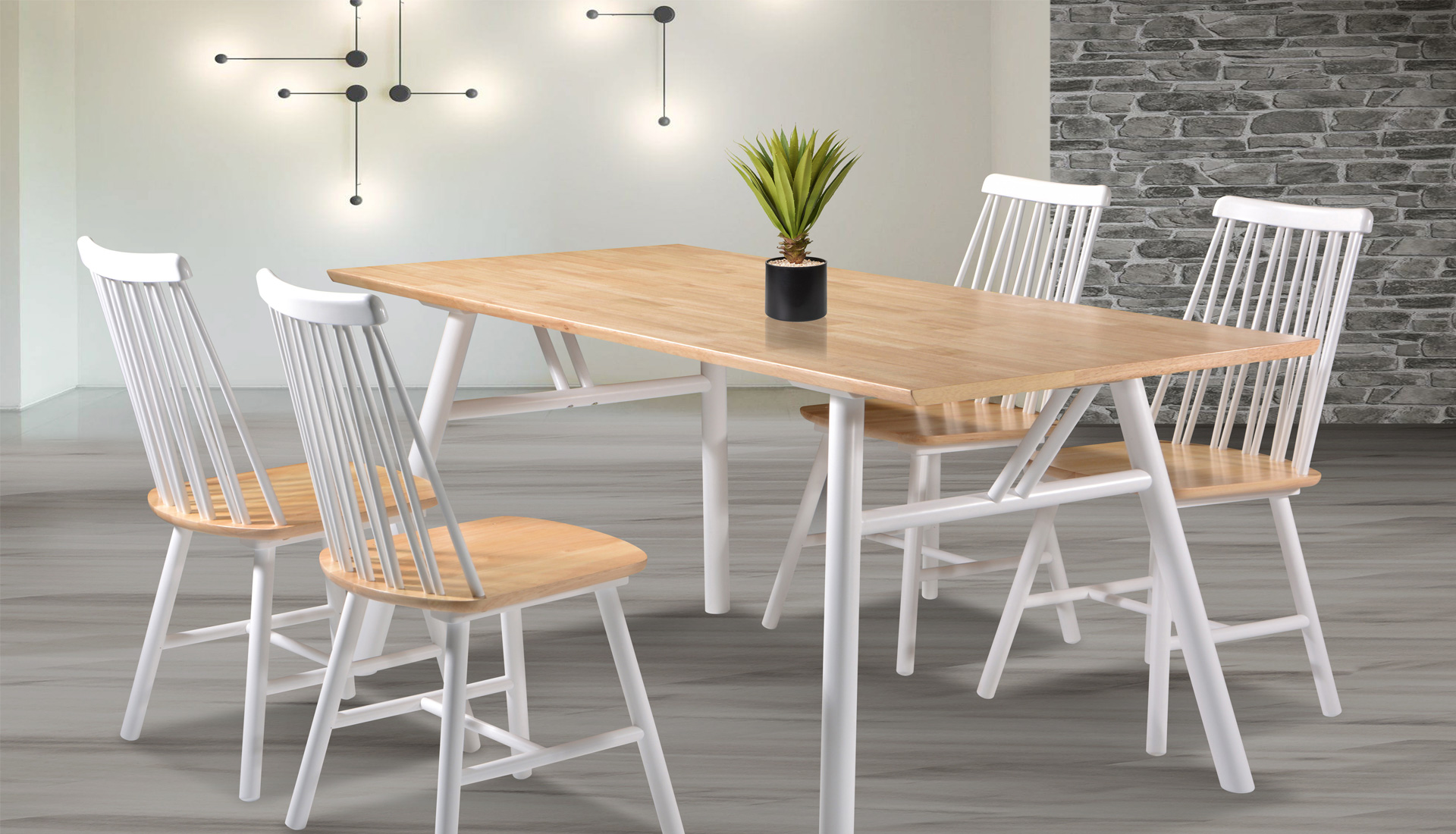
White wooden dining furniture in 2026 is defined less by one shade than by how color, grain, and construction work together. A warm ivory finish can soften oak’s visible pores, while cool white paint gives maple a cleaner, more tailored look. The wood still matters. Look closely at table edges, leg joints, and the underside; these reveal more than a styled photograph. A dining table should feel steady under everyday pressure, with joints that do not shift and a finish suited to frequent wiping. Finish performance varies, so check care instructions before buying.
White does not mean maintenance-free. Crumbs and scuffs show quickly on pale surfaces, especially around chair rails and table corners. Satin or matte finishes may disguise small marks better than glossy ones, though they still need prompt cleaning. Use a soft, damp cloth and avoid abrasive pads that can dull coatings. Room light matters, too: north-facing spaces can make cool whites look gray, while warm bulbs may make them appear creamier. Take a sample home.
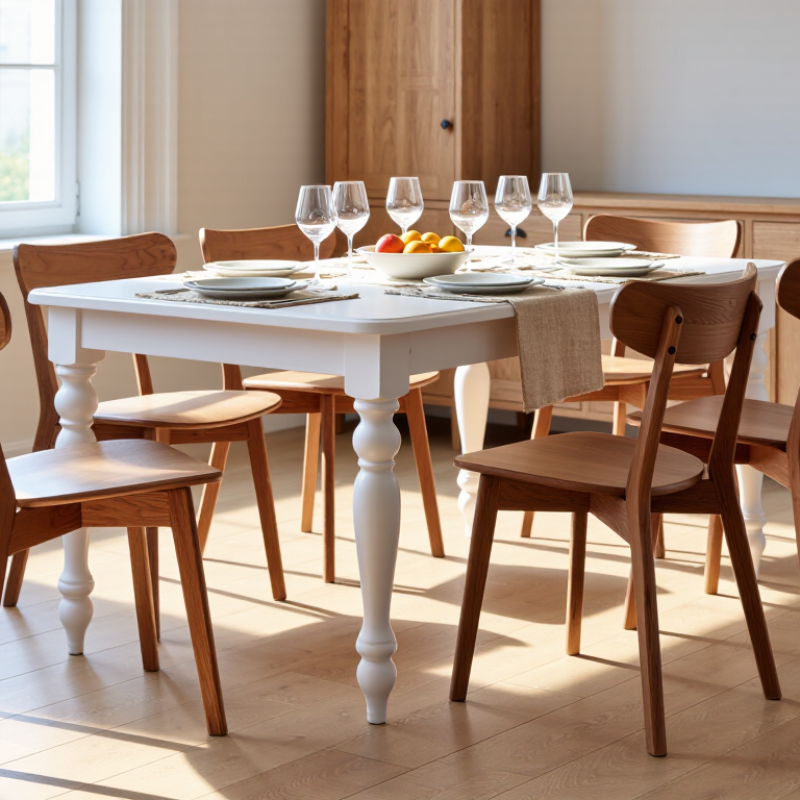
Exact matching can feel flat; pairing a white table with natural wood chairs adds depth when the undertones work together. Check seat height against the table, and leave room for knees and pulled-out chairs. These details seem ordinary. They shape comfort after dinner. I would not call white wood universally practical; its suitability depends on household habits and willingness to touch up wear.
Which Table and Seating Styles Suit Different Dining Spaces?
Small dining rooms often work best with a round white wooden table. Its curved edge makes it easier to move around in tight spaces, while a pedestal base leaves more room for knees. Pair it with slim, armless chairs that tuck underneath after meals. Measure the space with chairs pulled out, not pushed in. That small step prevents a common mistake.
For a narrow room, a rectangular table can sit close to a wall or run parallel to a kitchen counter. A bench on one side saves space and gives the room a neat look. It can feel awkward to climb past other diners, though, so it may not suit every household. For daily use, choose chairs with supportive backs and a seat height that fits the table comfortably.
Larger dining areas can handle an extendable table, which keeps the footprint modest on ordinary days and adds seats for guests. Match it with a mix of chairs and a bench if the arrangement still allows clear paths. White paint brightens a room, but it can show scuffs near chair legs and table edges. A durable finish and easy-to-clean surfaces matter more than a perfectly uniform shade. No layout is perfect. Test the furniture spacing with paper outlines before buying.
How Do Wood Types and White Finishes Affect Durability?
Best White Wooden Dining Furniture for 2026?
Wood type sets the foundation for durability. Oak and maple are dense hardwoods that resist everyday knocks better than softer woods such as pine. Pine can still work well, but chair legs and table edges may show dents sooner. Check the joinery, too: tight, stable joints matter as much as the species. A sturdy table should not wobble when someone leans on it.
White finishes influence maintenance, not the wood’s underlying strength. A well-sealed painted surface helps block spills, while thin or poorly applied paint can chip around corners. White also makes dust and food marks easy to spot. That is useful, though not always convenient. In a busy home, a small chip may appear sooner than expected; touch-ups can help, but matching the original shade is not guaranteed.
Tips: Ask whether the finish is sealed, and inspect edges, underside surfaces, and chair rungs. Wipe spills promptly with a soft, damp cloth. Avoid harsh abrasives, which can dull the finish. Use felt pads under dishes and chair legs. Even careful owners get scratches.
| Wood Type | Approx. Janka Hardness | Durability for Dining Use | How It Works with White Finishes | Care and Best Use |
|---|---|---|---|---|
| Hard maple | 1,450 lbf | Very hard and resistant to everyday dents; a strong choice for frequently used tabletops and chair frames. | Its fine, subtle grain creates a smooth-looking base for opaque white paint. Pale white stains may look relatively even. | Protect the surface from standing liquid and hot dishes. A durable, well-applied topcoat helps prevent scratches and stains. |
| White oak | 1,360 lbf | Hard and durable, with prominent grain. Its closed cellular structure makes it comparatively resistant to liquid penetration, but it is not waterproof. | Whitewash or white stain can highlight the grain. Opaque white paint conceals most of the wood’s natural pattern. | A good option when visible grain is desired. Wipe spills promptly and use protective pads to reduce heat and abrasion damage. |
| Beech | 1,300 lbf | Hard, dense, and suitable for chairs and table components. Its relatively even texture supports a clean painted appearance. | Usually takes opaque white paint evenly when properly prepared and primed. White stains may appear less distinctive than on strongly grained woods. | Keep it away from prolonged dampness; wood movement and finish stress can occur as humidity changes. |
| Red oak | 1,290 lbf | Hard and widely used for furniture. Its open grain is durable in normal indoor use, but can allow liquids to penetrate if the finish is damaged. | White stain leaves the strong grain visible. Opaque paint can fill or soften the grain’s appearance when the surface is properly prepared. | Check seams and worn edges for finish damage. Clean with a soft, lightly damp cloth rather than soaking the surface. |
| Birch | 1,260 lbf | Hard enough for everyday furniture use, though sharp impacts can still dent or chip the finish. | Its generally fine grain suits opaque white finishes. Stain absorption can vary, so a sample finish is useful before ordering. | Use placemats or coasters to limit scratches, heat marks, and water rings on the tabletop. |
| Pine | About 380–870 lbf, depending on species | Softer than the hardwoods listed above and more likely to show dents and wear; suitable when a lived-in look is acceptable. | Opaque white paint can give pine a consistent color, while knots and grain may remain visible unless sealed and primed appropriately. | Consider it for lighter-use dining areas. Avoid dragging items across the surface and touch up chips before moisture reaches the wood. |
| White painted finish | Not applicable | Durability depends on the coating system, surface preparation, application, and curing—not color alone. Edges and high-contact areas commonly wear first. | Provides an opaque white appearance and largely hides the underlying grain. A compatible protective topcoat can improve resistance to stains and abrasion. | Use gentle cleaners and avoid abrasive pads. Ask whether the finish is suitable for tabletops and whether touch-up paint is available. |
| Whitewash or white stain with clear topcoat | Not applicable | The clear topcoat provides most of the surface protection; the pale stain alone is not a protective barrier. | Leaves more wood grain visible than opaque paint. The final appearance varies with wood species and stain application. | Confirm that the clear coat is designed for furniture surfaces. Repair worn areas before the exposed wood absorbs spills. |
| Water-based clear topcoat over a white finish | Not applicable | Can add protection against everyday spills and abrasion when correctly specified and applied. Performance differs among products. | Generally tends to amber less than many oil-based clear coatings, helping a white surface retain a cleaner appearance; test samples because products vary. | Follow the manufacturer’s curing instructions before regular use. Keep furniture out of prolonged direct sunlight to reduce color change. |
| Practical selection guide | For a busy household, consider hard maple or white oak with a well-applied, furniture-grade finish. Choose beech, birch, or painted wood when a smooth white look is the priority. Pine can suit lighter use or a deliberately distressed style. Janka figures are approximate species-level ratings, not guarantees of finished-furniture performance. | |||
What Features Matter When Choosing a Dining Set?
For a 2026 white wooden dining set, look beyond the finish. Check whether the table uses solid wood, veneer, or a mix; each has different repair needs and price points. The USDA Forest Products Laboratory’s Wood Handbook (2021) lists white oak shrinkage at about 10.5% tangentially and 5.6% radially, from green to oven-dry. That movement is a reminder to inspect joinery and ask how the top accommodates seasonal changes. A rigid-looking table is not automatically a stable one.
Small details matter. Run a hand along the underside for rough edges, and check that the legs sit evenly on your floor. Chairs should feel steady when you lean back, with enough space to slide in without catching your knees. If possible, test the set at home dimensions: leave room to pull chairs out and walk behind them. I still measure twice; a pretty showroom arrangement can be misleading.
White finishes vary in upkeep. Matte surfaces may disguise small marks, while glossy ones can show fingerprints or scratches under bright window light. Ask whether the coating is repairable and how to clean it; test the care instructions on an unseen spot first. Check it in daylight. Also inspect table extensions, if included, for level alignment and a snug fit. A slightly uneven leaf is easy to overlook in a shop, but annoying at dinner.
How Should White Wooden Dining Furniture Be Cleaned and Maintained?
White wooden dining furniture shows crumbs, fingerprints, and water rings quickly, so gentle, regular care works better than occasional scrubbing. After meals, wipe the table with a soft microfiber cloth, slightly dampened with warm water. For sticky marks, add a drop of mild dish soap, then wipe again with clean water and dry at once. Less is safer. Abrasive pads, bleach, and strong sprays can dull paint or damage clear coatings. Test any cleaner underneath the table first, and follow the maker’s care instructions when available. That matters.
Use coasters under cold glasses and placemats beneath hot dishes, but avoid leaving damp cloths on the surface. Water can seep into joints or lift a finish, even when damage is not immediately obvious. Keep chairs and tables away from strong direct sunlight where possible; white finishes may yellow unevenly over time. Once a week, check the legs, joints, and chair rungs for looseness, tightening hardware gently when needed. Do not over-tighten. Wood responds to dry indoor air, too, so steady room humidity helps limit small cracks and movement. It is easy to miss dried spills around chair edges, so include those less visible spots in your routine.
FAQS
A round wooden table has no sharp corners to navigate. A pedestal base also leaves more space for knees.
Choose slim, armless chairs that slide beneath the table after meals. Measure the room with chairs pulled out. Measure twice.
Place a rectangular table near a wall or parallel to the kitchen counter. A bench can save space on one side, but getting past other diners may feel awkward.
Yes. It can stay compact for everyday meals and provide extra seats for guests. Keep clear walking paths when you add chairs or a bench.
Oak and maple are dense hardwoods that generally resist dents better than pine. Pine can still work, though its edges may mark sooner.
Inspect the joints, edges, underside, and chair rungs. A sturdy table should not wobble when someone leans on it.
Not by itself. A well-sealed finish helps protect against spills, while thin paint may chip at corners. White also shows food marks and dust clearly.
Wipe spills with a soft, damp cloth. Avoid harsh abrasives, and use felt pads under dishes and chair legs. Small chips happen. Touch-ups may not match perfectly.
Conclusion
White Wooden Dining Furniture in 2026 combines a bright, versatile look with practical design for everyday meals and special occasions. The right choice depends on the size and shape of your dining area: a compact round table can make a small room feel more open, while a rectangular or extendable table may better suit larger spaces and gatherings. Pair the table with chairs or benches that provide comfortable support and leave enough room to move around.
Wood type and finish influence both appearance and upkeep. A durable wood structure and a well-applied white finish can help furniture stand up to regular use, though finishes may vary in their resistance to scratches, stains, and moisture. When comparing dining sets, consider dimensions, stability, seating capacity, comfort, and ease of assembly. Routine care is straightforward: wipe surfaces with a soft, slightly damp cloth, dry spills promptly, and avoid harsh cleaners to help preserve the finish.

Blog Tags: