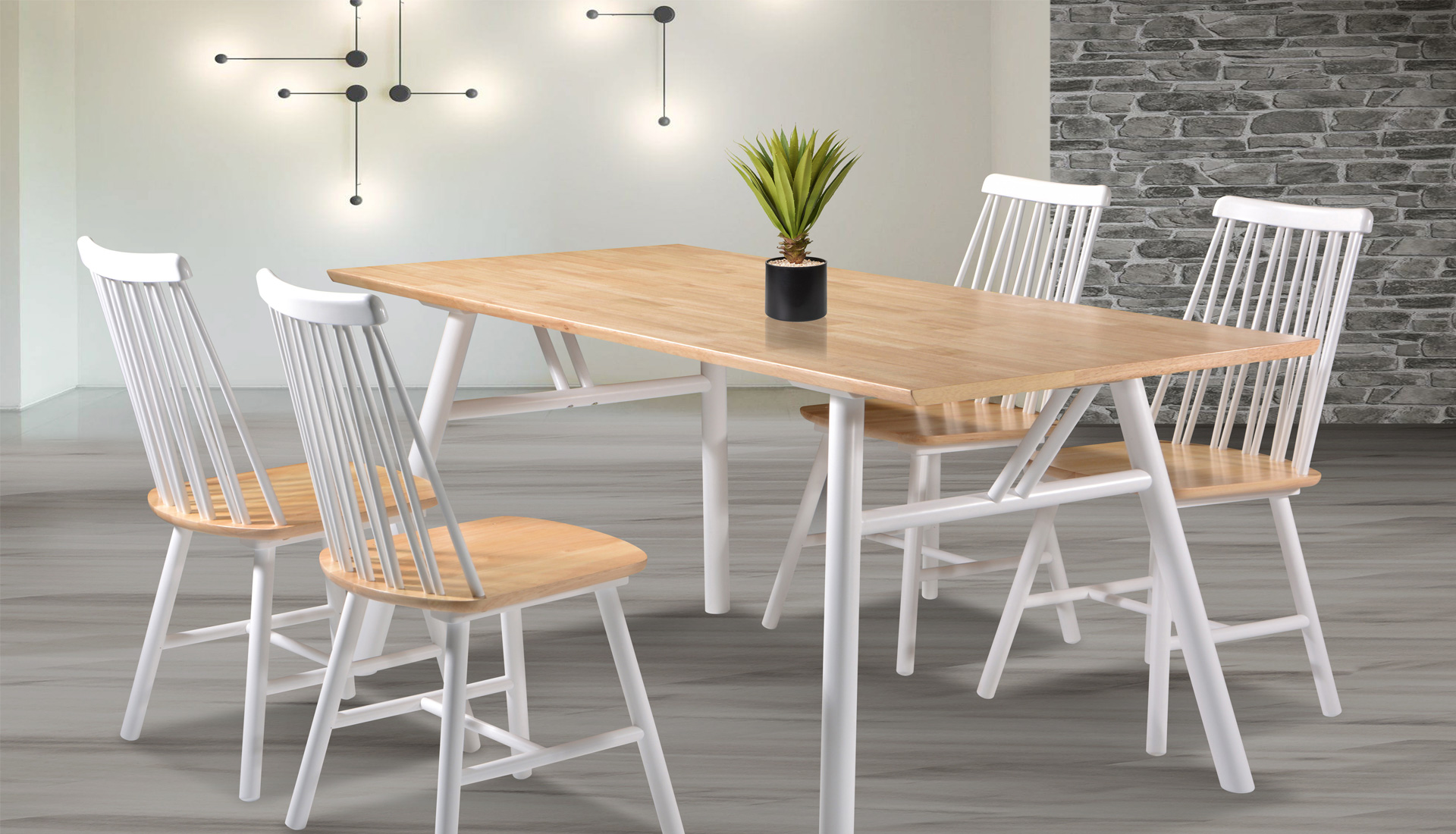
The global furniture market is large, but buyers comparing solid wood coffee tables need more than market-size headlines. Grand View Research valued the global furniture market at USD 747.72 billion in 2023 and projected a 5.4% compound annual growth rate from 2024 to 2030. That broader market figure offers context, not proof of demand for solid wood tables specifically.
Choosing a Solid Wood Coffee Table Supplier calls for closer checks. Buyers should ask about wood species, moisture control, joinery, finish options, packaging, and production lead times. A photograph cannot show whether a tabletop is stable or whether a drawer slides smoothly. Small details count. Clear documentation and consistent sample quality matter, too. Suppliers may describe products as solid wood, yet construction can vary between models; confirm what each component is made from before placing an order.
This guide compares 10 suppliers for global buyers, focusing on product range, manufacturing capabilities, communication, and export readiness. It is a starting point, not a substitute for sample approval or factory-level checks. A ranking can simplify too much. A strong supplier on paper may still be a poor fit for a particular market, price point, or delivery schedule. Use the shortlist to ask sharper questions, compare written specifications, and verify claims before committing to a purchase.
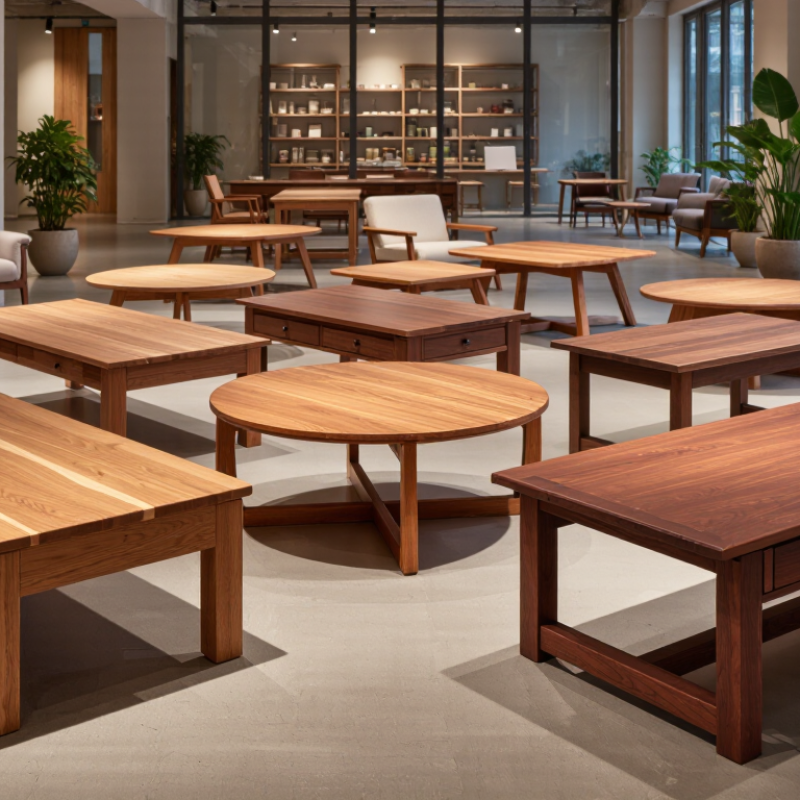
Key Criteria for Evaluating Solid Wood Coffee Table Suppliers
When evaluating a solid wood coffee table supplier, ask which species are used and whether the tabletop is solid throughout. Request close-up photos of joints, undersides, and edge profiles, not just polished catalog images. Check how the supplier controls timber moisture, since poorly dried boards may cup or split after delivery. Ask for a sample finish on the same wood species; color can shift noticeably between batches. Small details matter.
Review construction methods, hardware, and repair options. A well-made table should feel stable on an uneven floor, with secure joints and no sharp edges. Ask how quality checks are recorded and whether inspection photos can be shared before packing. Confirm carton dimensions, protective corner blocks, and pallet plans for long-distance transport. Scratches often happen in transit, not in the workshop. Check whether the supplier can provide wood-origin and material documents relevant to your purchasing requirements. Compare lead times, minimum order quantities, and defect-handling terms in writing. A quick reply is useful, but it does not prove reliable production. A heavier table is not automatically better. Verify the design and finish against the sample and specifications you plan to order. Natural grain will vary. Suppliers should disclose that clearly.
Profiles of 10 Solid Wood Coffee Table Suppliers
The global furniture trade is large, but solid-wood suppliers differ sharply in sourcing and production. CSIL’s World Furniture Outlook 2024 estimated global furniture production at roughly US$500 billion in 2023. That figure covers many materials, not solid wood alone. Treat it as market context, not proof of demand for any one table style.
A useful supplier shortlist includes distinct production profiles: an export factory for repeat orders; a regional millwork shop for local hardwoods; a certified-wood maker with documented sourcing; a reclaimed-timber workshop with visible repairs; and a plantation-hardwood producer suited to consistent batches. Ask each for species, moisture content, finish specifications, and recent product photographs. Details matter. A polished catalog is not proof.
Other profiles serve different needs: a hospitality supplier builds for frequent use; a custom joinery shop adapts dimensions; a flat-pack maker prioritizes shipping efficiency; an artisan cooperative offers small-batch variation; and a sourcing house coordinates multiple workshops. Compare sample joints, underside construction, packaging, lead times, and inspection records. Request a finished sample under clear acceptance criteria. Small flaws can reveal weak process control, though one sample cannot predict every shipment. Supplier claims deserve checking.
Wood Species, Craftsmanship, and Customization Options
Choosing among solid wood coffee table suppliers starts with understanding the wood, not just the finish. Oak has a pronounced grain and handles everyday wear well. Walnut offers darker color, but its price can vary with grade and availability. Maple has a finer texture that suits clean, simple designs. Ask suppliers whether the timber is kiln-dried and how they manage moisture changes during shipping. Small cracks can appear after delivery if wood and indoor conditions differ.
Craftsmanship shows in details you can inspect. Look beneath the tabletop for sturdy aprons, clean joints, and evenly finished edges. Hand-applied finishes may reveal subtle variation; that is not always a flaw. Still, uneven color around corners deserves a closer look. Ask for close-up photos of completed tables, plus details about sanding, joinery, and finish repair. A polished showroom image tells only part of the story.
Customization can cover dimensions, leg style, edge profile, stain, and protective coating. Provide room measurements and specify how the table will be used. A low shelf may help with storage, but it can make vacuuming awkward. Request a sample finish under natural light before approving a large order. One detail is easy to overlook: custom options can affect production time, packaging, and replacement-part availability. Check these points before confirming specifications.
Solid Wood Coffee Table Buying Guide: Janka Hardness by Wood Species
Compare the hardness of 10 wood species commonly used in furniture, including coffee tables.
The Janka test measures resistance to indentation; a higher rating generally indicates a harder surface. Hardness is only one factor in choosing a table—grain, finish, construction, and care also matter. Ratings are representative published values and can vary by species and test source.
Production Capacity, Quality Control, and Export Services
For global buyers, a supplier’s stated monthly output matters less than repeatable delivery. Ask for capacity by table size, wood species, and finish, then compare it with recent order records. FAO reported global industrial roundwood production of about 1.95 billion cubic metres in 2023. That scale makes species traceability important: request the wood name, origin documents, and batch identification. Small details count. A legible label on each carton can prevent confusion at receiving.
Quality control should be visible, not just promised. Ask how moisture is measured, where readings are taken, and what limits trigger re-drying. Check sample joints, tabletop flatness, finish consistency, and packaging before approving bulk production. A photo of a moisture meter is useful, but it does not replace inspection records or a pre-shipment check. No audit catches everything. Some defects only appear after transit, so agree on clear inspection criteria and a process for reporting damage.
Export service deserves equal scrutiny. UNCTAD’s Review of Maritime Transport 2024 reported that maritime trade grew 2.4% in 2023, while disruptions continued to affect shipping routes and costs. Ask suppliers to confirm carton dimensions, loading plans, shipping documents, and realistic production buffers. A container plan should protect table corners and leave no loose parts moving inside. The weak point is often coordination: even a well-made table can arrive late when packing details or document checks are left until the last minute.
How Global Buyers Can Compare and Select Suppliers
Comparing solid wood coffee table suppliers means checking the product, not just the quotation. Ask for the wood species, moisture content at packing, board thickness, joinery method, and finish specifications. Request a sample with the underside and leg joints visible. A smooth top proves little. A neat sample can still hide a weak apron connection.
Wood traceability deserves equal weight. FAO’s Global Forest Resources Assessment 2020 reports that forests cover 4.06 billion hectares, about 31% of the world’s land area. That scale makes vague “responsibly sourced” claims difficult to verify. Ask suppliers to identify the species and source region, then provide relevant sourcing or chain-of-custody records. Check that the paperwork matches the invoice and product description. Small mismatch? Pause.
Use the World Bank’s 2023 Logistics Performance Index as a country-level screening tool. It compares 139 economies across six logistics dimensions, including customs, tracking, and timeliness. It cannot rate an individual factory. Ask for recent lead-time records, packaging photos, test results, and a written process for handling defects. Compare landed cost, not unit price alone. Allow for imperfect evidence; supplier records may be uneven.
FAQS
Ask for the wood species, tabletop thickness, and close-up photos of the underside and edges. A smooth top alone proves little.
Ask where moisture readings are taken and what limits trigger re-drying. Poorly dried boards may cup or split after delivery.
Request photos of leg joints, the apron connection, and hardware. Check that the table feels stable, even on an uneven floor.
Ask for a sample in the same wood species and finish as your order. Compare its color, grain, and finish with the specifications.
Request the species, source region, batch identification, and relevant sourcing records. Check that the paperwork matches the product description.
Ask for inspection records, moisture readings, and pre-shipment photos. Some defects appear later. Photos alone cannot catch everything.
Confirm carton dimensions, corner protection, pallet plans, and loading details. Keep loose parts secured inside each carton.
Compare landed cost, lead times, minimum order quantities, and written defect-handling terms. Supplier records may be uneven, so allow room for doubt.
Conclusion
This guide explores how global buyers can identify a reliable Solid Wood Coffee Table Supplier by comparing factors such as material sourcing, construction quality, product range, customization, and communication. It outlines profiles of ten suppliers, highlighting the different capabilities buyers may encounter, from varied wood species and finishes to made-to-order designs. Rather than focusing on appearance alone, the guide encourages buyers to assess how craftsmanship, consistency, and customization options align with their intended market and product requirements.
It also explains how to evaluate production capacity, quality-control practices, packaging, and export support. Buyers can use these criteria to compare suppliers systematically, request clear specifications, and consider samples before making a decision. By balancing product quality, flexibility, dependable manufacturing, and service, global buyers can select a supplier that best fits their needs and supports a more informed purchasing process.